November 12, 2026
Installing new windows can improve a home's appearance, natural lighting, and overall comfort. However, even modern windows may allow unwanted heat, glare, and ultraviolet radiation to enter indoor spaces. Homeowners looking to get more value from their window upgrades may consider adding a protective film to help manage these concerns. Window tinting offers a practical way to adjust how sunlight affects rooms without completely blocking the view outdoors. Depending on the film selected, it can help reduce glare, limit solar heat gain, and provide additional privacy. It may also help protect furnishings from some of the fading associated with sunlight exposure. Choosing the right film requires consideration of window type, orientation, household needs, and the appearance of the home. By understanding the available options, homeowners can make informed decisions about enhancing their new windows.
Improving Indoor Comfort Throughout the Year
New windows can make a noticeable difference in a home's comfort, but rooms exposed to direct sunlight may still become warmer than other areas. South- and west-facing windows, in particular, can receive substantial sunlight during certain parts of the day. Window tinting can help manage solar heat entering through suitable windows, depending on the film's performance characteristics. This may help reduce uncomfortable temperature differences between sunlit rooms and the rest of the house. Homeowners should consider which areas experience the greatest heat buildup before selecting a product. Different films provide different levels of solar control, so the most appropriate option depends on the home's orientation and existing glazing. Professional guidance can help ensure the selected film is compatible with the new windows. Improving solar comfort can make living spaces more enjoyable while supporting a more balanced indoor environment.
Reducing Glare Without Losing Natural Light
Natural light can make a home feel bright, open, and inviting, but excessive glare can interfere with everyday activities. Reflections on televisions, computer screens, and other displays can make rooms difficult to use during sunny periods. Window tinting can reduce glare by controlling the amount and type of visible light passing through the glass. The degree of reduction depends on the film's visible light transmission and other performance characteristics. Homeowners who work from home or frequently watch television in bright rooms may find this particularly useful. Selecting a film with suitable light transmission can help balance glare control with the desire to maintain natural daylight. Some films are designed to provide substantial glare reduction, while lighter options preserve more of the outdoor view and incoming light. Comparing these characteristics helps homeowners choose a product that suits the way each room is used.
Protecting Furniture and Interior Finishes
Sunlight can contribute to fading and deterioration in furniture, flooring, artwork, curtains, and other interior materials. Ultraviolet radiation is one factor involved in this process, although visible light and heat can also affect how certain materials age. Window films designed to block ultraviolet radiation can help reduce one source of sun-related damage. Homeowners should remember that no film can prevent every form of fading, especially when materials remain exposed to other environmental factors. Window tinting can be a useful addition for rooms containing valuable furnishings or items displayed near large windows. Different film products offer varying ultraviolet protection levels, so product specifications should be reviewed before installation. It is also helpful to consider how sunlight reaches the room throughout the day. Taking these steps can help homeowners protect interior finishes and maintain the appearance of their living spaces for longer.
Enhancing Privacy While Maintaining Style
Privacy is another reason homeowners may explore window film after installing new windows. Certain films can reduce visibility into a home during the daytime while still allowing occupants to see outside. According to This Old House, more than 21% of homeowners surveyed in its 2025 window survey reported including window tint as an optional upgrade for their new windows. This reflects the interest some homeowners have in adding film as part of a broader window improvement project. The level of privacy provided depends on the film's design, the lighting conditions, and the direction from which someone is looking. Reflective films, for example, may offer greater daytime privacy when the exterior is brighter than the interior, but the effect can reverse at night when indoor lights are on. Homeowners who need privacy after dark may still require curtains, blinds, or other window coverings. Choosing a suitable film allows privacy needs to be considered alongside daylight, appearance, and visibility.
Supporting Energy Efficiency and Solar Control
Windows influence how heat enters and leaves a home, which can affect heating and cooling demands. Depending on the product, window film may reduce solar heat gain and help limit the amount of sunlight-related warmth entering certain rooms. This can be useful in spaces that become especially hot during sunny afternoons. However, the energy benefits vary according to the film, window construction, climate, and household usage patterns. Window tinting should therefore be viewed as one possible part of an overall energy-efficiency strategy rather than a complete solution on its own. Homeowners should review performance ratings and discuss compatibility with their existing glass before selecting a film. Certain modern windows already have coatings designed to manage heat transfer, so additional film may not be suitable for every product. A professional assessment can help identify options that complement the windows rather than interfere with their intended performance.
Choosing Film That Matches New Windows
Not every window film is suitable for every type of glass, making product compatibility an important consideration. New windows may feature double or triple glazing, low-emissivity coatings, tempered glass, or other specialized construction. Applying an incompatible film can sometimes increase thermal stress and potentially damage the glass or affect the manufacturer's warranty. Homeowners should review the window manufacturer's guidance before choosing a product. Professional installers can assess the glazing specifications and recommend films designed for the particular window system. They can also explain differences in shade, reflectivity, visible light transmission, and solar performance. Window tinting should be selected according to the intended benefit rather than appearance alone. Matching the film to the glass helps homeowners make a more informed investment and reduces the likelihood of avoidable installation problems.
Ensuring Proper Installation and Long-Term Performance
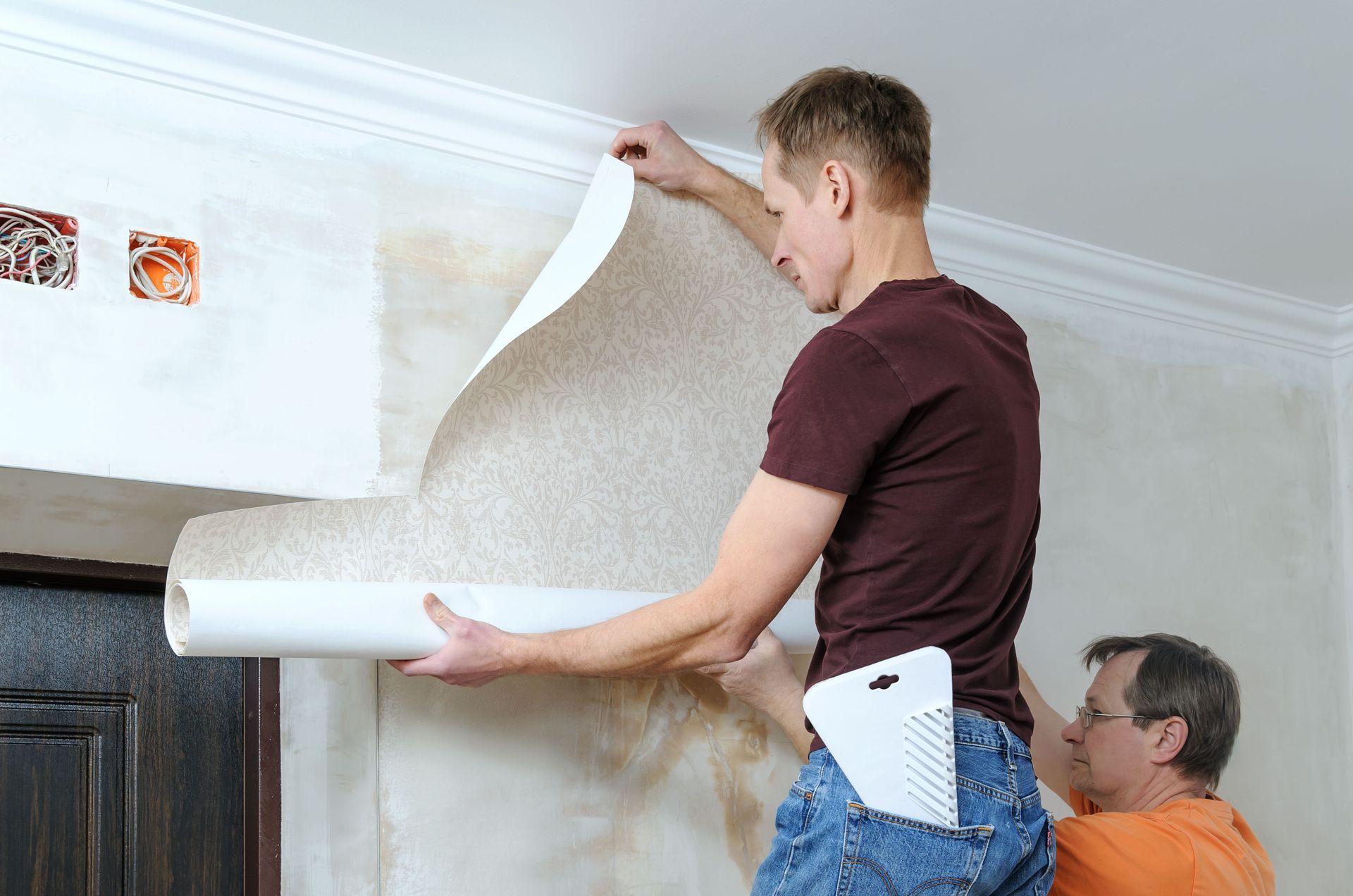
The quality of installation can influence how well window film looks and performs over time. Before application, the glass must be cleaned thoroughly to minimize the risk of trapped dust, debris, or other imperfections. Installers then apply the film carefully, following the product's requirements for positioning, trimming, and smoothing. Incorrect application can lead to bubbles, creases, lifting edges, or an uneven appearance. Professional window tinting services can help homeowners select suitable products and ensure the installation process follows the manufacturer's instructions. After installation, the film may need time to dry and settle, depending on the product and environmental conditions. Homeowners should follow the installer's recommendations about cleaning methods and when to resume normal window maintenance. Proper care and suitable installation can help preserve the film's appearance and support its intended performance.
New windows can improve a home's appearance and functionality, while the right film may provide additional benefits related to glare, solar heat, ultraviolet exposure, and privacy. Selecting a suitable product involves considering the type of glass, the needs of each room, and the performance characteristics of available films. Professional advice can help homeowners avoid compatibility problems and choose an option that complements their window investment. Hudson Valley Window Film can help you explore film options for your home's needs and understand which features may be appropriate for your windows. Consider the rooms where sunlight, glare, or privacy is a concern before deciding on a solution. Contact us to discuss your project and learn how professionally selected film can enhance your new windows.