May 12, 2026
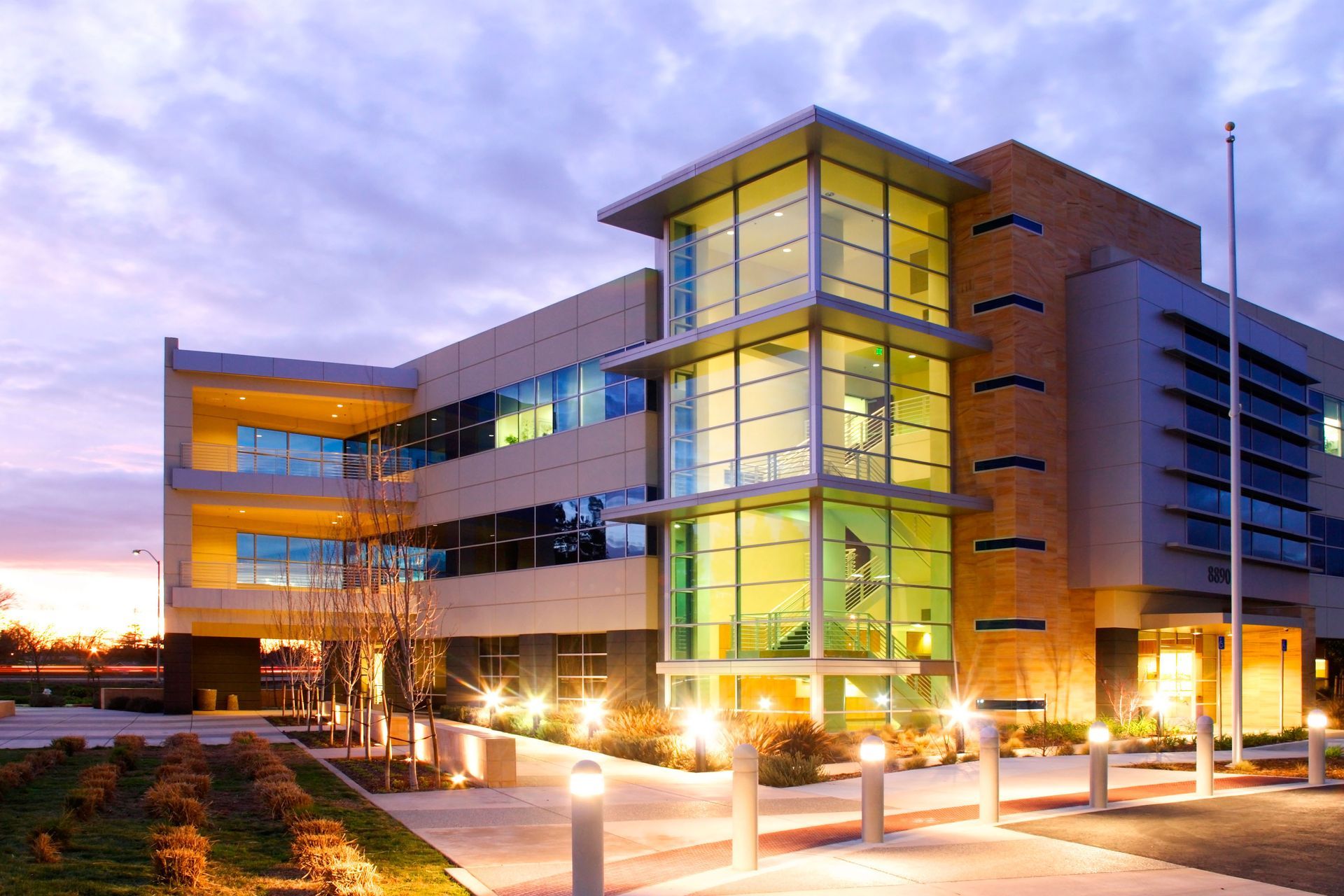
Modern architecture favors expansive glass facades for their aesthetic appeal and ability to connect occupants with the outside world, yet this transparency often comes at a steep cost to thermal efficiency and interior comfort. Achieving prestigious green building designations requires a strategic approach to managing solar heat gain and energy loss through these transparent surfaces. A professional commercial window tinting installer serves as a vital consultant in this process, bridging the gap between standard glass performance and the rigorous demands of certification bodies. By applying advanced spectrally selective films, these experts help property owners meet specific benchmarks for energy conservation, daylighting, and thermal comfort that are otherwise difficult to reach with untreated glazing.
Evaluating Thermal Performance for Energy Efficiency
Analyzing the current energy profile of a facility is the first step toward optimizing it for high-level environmental standards. When a property manager engages a commercial window tinting installer, the focus shifts toward reducing the carbon footprint by minimizing the reliance on intensive HVAC cooling during peak summer months. These specialized films reflect a vast majority of infrared radiation while allowing visible light to pass through, ensuring that the building remains cool without becoming dark. This reduction in heat gain directly translates to lower kilowatt-hour consumption, which is a primary metric for most sustainability ratings. By stabilizing internal temperatures, the installer helps create a predictable energy model that satisfies the stringent requirements of auditors who look for long-term operational savings and reduced mechanical wear on climate control systems.
Enhancing Solar Control to Secure Energy Star Ratings
Meeting the criteria for national energy benchmarks involves meticulous documentation of utility savings and performance improvements over time. According to Whole Building Design Guide, the effects of window film can be significant enough to push a commercial building past the 75-point minimum for Energy Star certification and also open up more available points in LEED certification. This fact underscores why a qualified commercial window tinting installer is considered an essential partner for those aiming to validate their building’s efficiency. The application of high-performance film acts as a permanent upgrade to the building envelope, providing a measurable increase in the R-value of existing windows. This improvement is often the most cost-effective way to boost an Energy Star score, as it avoids the massive capital expenditure and material waste associated with replacing entire window units across a multi-story commercial structure.
Optimizing Natural Light for LEED Daylighting Credits
Prioritizing the health and productivity of occupants is a hallmark of the LEED framework, particularly regarding the use of natural light. While sunlight is desirable, excessive glare can render workspaces unusable and force employees to close blinds, which negates the benefits of having windows. An experienced commercial window tinting installer addresses this paradox by selecting films that diffuse harsh sunlight and eliminate localized "hot spots" near the perimeter. This careful calibration allows for maximized daylighting credits because it ensures that natural illumination is consistent and comfortable throughout the floor plate. By reducing glare by up to 80% or more, the installer enables a design where artificial lighting can be dimmed or turned off during the day, further contributing to the overall energy reduction goals while simultaneously improving the visual environment for everyone inside the building.
Shielding Interior Assets From Ultraviolet Degradation
Protecting the longevity of interior materials is a subtle but significant aspect of sustainable building management and resource conservation. According to industry professionals, a commercial window tinting installer provides a critical defensive layer that blocks up to 99.9% of harmful ultraviolet rays, which are the primary cause of fading in carpets, furniture, and wall coverings. From a certification perspective, extending the life of these materials reduces the frequency of replacement and the associated environmental impact of manufacturing and transporting new goods. This commitment to "building longevity" aligns with the circular economy principles often rewarded in advanced green building modules. Furthermore, shielding occupants from UV exposure contributes to the "Health and Wellness" categories of modern certifications, as it mitigates the risks associated with long-term sun exposure for employees who sit near windows for several hours every day.
Improving Occupant Comfort Through Thermal Balancing
Achieving a uniform temperature across diverse zones of a large office or retail space is notoriously difficult when large glass areas are present. A commercial window tinting installer solves this by creating a more balanced thermal envelope, which eliminates the "cold pockets" in winter and "heat zones" in summer that plague many aging commercial assets. This improvement in thermal comfort is a documented requirement for WELL and LEED certifications, which use occupant satisfaction surveys as a metric for success. When the perimeter of a building is as comfortable as the interior core, the usable square footage of the office increases, and the stress on the air distribution system decreases. The installer's ability to fine-tune the glass performance ensures that the building operates as a cohesive unit, providing a high-quality indoor atmospheric experience that earns praise from both environmental auditors and the tenants themselves.
Strengthening Safety Standards With Security Film Integration
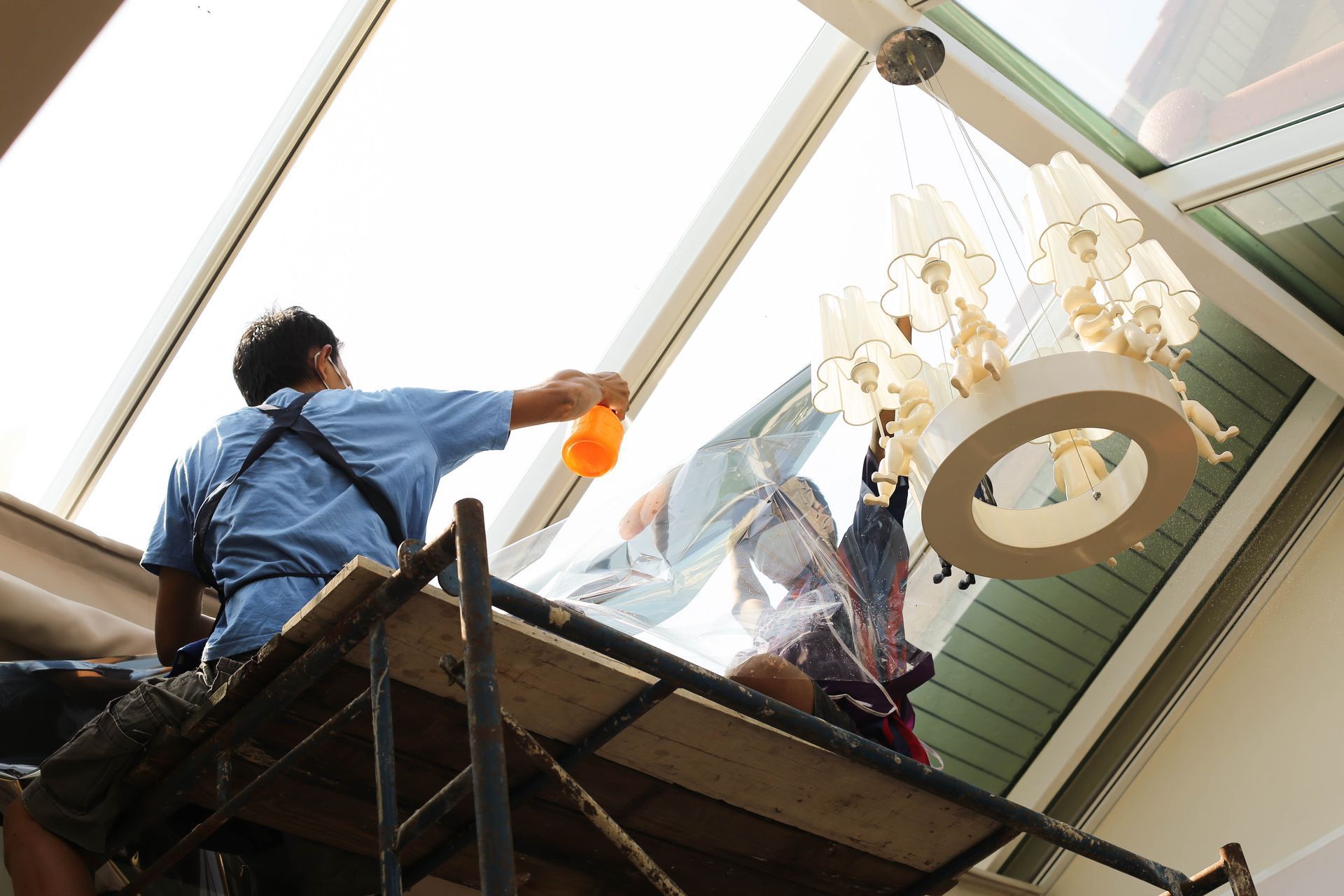
Integrating safety and resilience into the building’s design is an increasingly important factor for comprehensive urban certifications. A professional commercial tinting installation team can apply multi-layered security films that hold glass fragments together in the event of a high-impact strike, whether from extreme weather or attempted forced entry. This enhancement contributes to "Resilient Design" credits, which reward buildings that are prepared for disasters and can maintain integrity under stress. Beyond the energy benefits, these films provide an invisible shield that protects the most vulnerable parts of the structure. By upgrading standard tempered glass to a shatter-resistant surface, the installer helps the building meet modern safety codes and insurance requirements while maintaining the aesthetic transparency that defines modern commercial architecture. This dual-purpose application demonstrates a holistic approach to facility management that is highly valued by global certification boards today.
Minimizing Environmental Impact Through Retrofit Solutions
Choosing a retrofit over a total glass replacement is one of the most environmentally responsible decisions a building owner can make during a renovation. When a commercial window tinting installer treats existing glass, they are preventing tons of old glazing and aluminum frames from ending up in a landfill. This reduction in "embodied carbon", the energy used to produce and transport new materials, is a critical component of many high-level green building assessments. The installer facilitates a "low-impact" upgrade that requires significantly less labor, time, and carbon expenditure than a full-scale window overhaul. This approach allows older buildings to compete with new, high-tech constructions in terms of performance without the massive ecological footprint of a ground-up rebuild. By focusing on maximizing the potential of existing assets, the installer helps the project adhere to the most rigorous standards of sustainability and resource conservation currently recognized in the industry.
Navigating the complexities of building certifications requires more than just high-quality materials; it demands a strategic partnership with experts who understand how specific components impact the wider ecosystem of a facility. A commercial tinting installation team provides this expertise, transforming standard windows into high-performance assets that contribute to energy savings, occupant well-being, and structural resilience. By integrating advanced film technology into the building’s envelope, owners can achieve the points necessary for LEED or Energy Star status without the prohibitive costs of structural glass replacement. Ultimately, the role of the installer is to harmonize the aesthetic desires of modern design with the practical demands of environmental responsibility. As the global push for carbon-neutral buildings intensifies, the professional application of window film stands out as a critical, data-backed solution for any commercial entity looking to prove its commitment to a sustainable and efficient future for all stakeholders involved. Are you seeking a commercial window tinting installer around Putnam County, NY? The team at Hudson Valley Window Film is ready to assist with your window needs! Call today to request an estimate on your new windows.