March 20, 2026
Glass can make a space feel open, bright, and inviting, but it can also create privacy and comfort challenges. Large windows, glass doors, and interior partitions may expose areas that people would rather keep more private. At the same time, many property owners want to preserve natural light and avoid heavy window coverings that change the look of a room.
Decorative film offers a practical solution by adding privacy, softening visibility, reducing glare, and introducing design elements directly to glass surfaces. Whether used for frosted office partitions, patterned bathroom windows, or enhanced storefront glass, it provides a flexible way to improve both function and appearance.
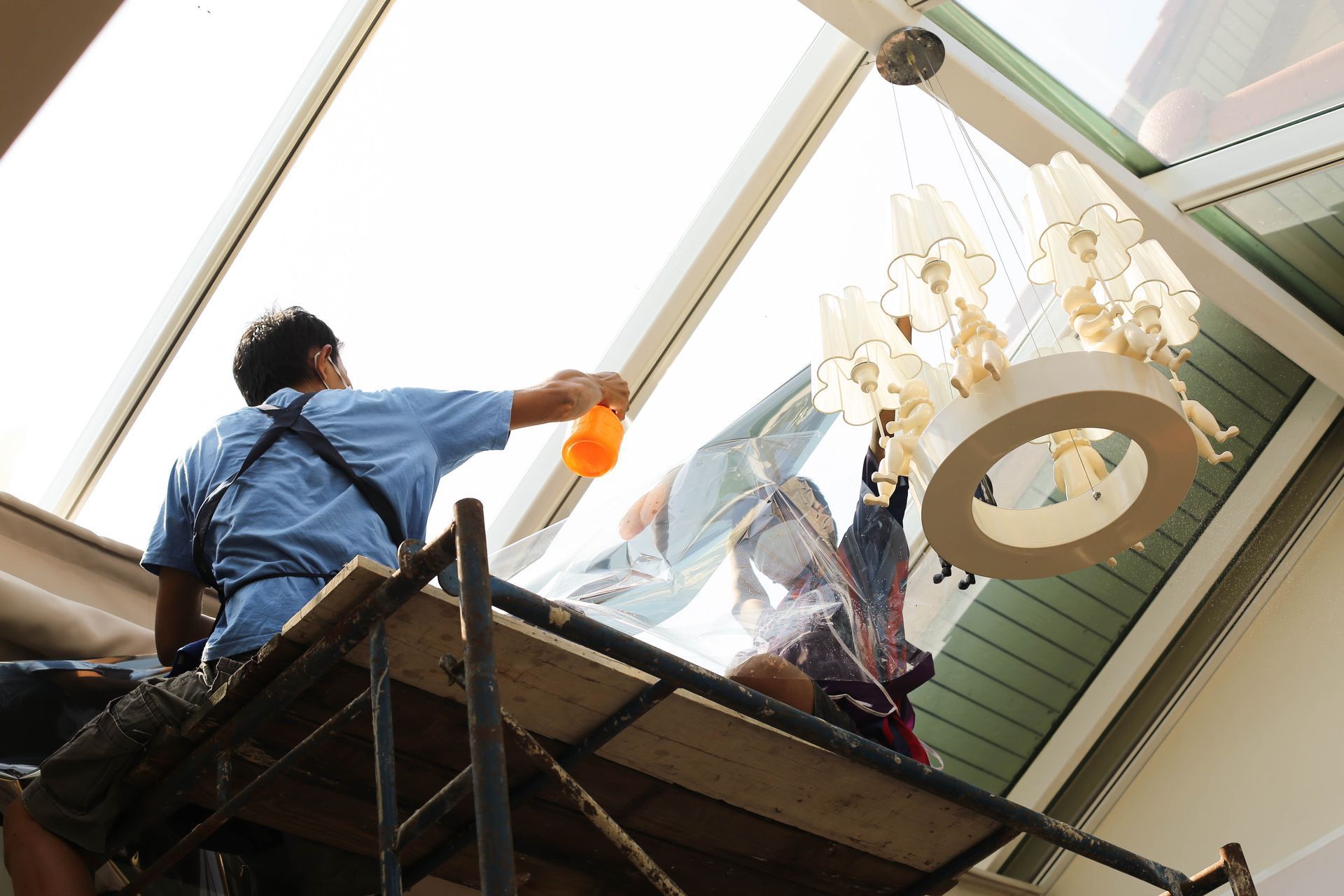
Understanding how decorative film works can help property owners make more informed decisions when upgrading glass surfaces. From privacy benefits to design improvements, decorative film serves multiple purposes. Below, we explore how decorative film enhances privacy and design and why many people work with decorative film installers for this upgrade.
Adding Privacy Without Blocking Light
One of the biggest advantages of decorative film is its ability to increase privacy without making a room feel dark or closed off. Traditional solutions like curtains, blinds, or solid partitions can limit visibility, but they may also reduce the amount of natural light entering the space. Decorative film helps solve that problem by obscuring direct views while still allowing light to pass through the glass.
This makes it especially useful in bathrooms, conference rooms, entryways, waiting areas, and street-facing windows. Property owners can maintain a brighter, more open atmosphere while still creating a greater sense of separation and discretion. Many decorative film installers recommend this option for spaces where privacy matters, but preserving daylight is equally important.
The result is a more balanced environment that feels comfortable and functional. People inside the space gain a stronger sense of privacy, while the room still benefits from the natural brightness that glass provides. That combination is one reason decorative film continues to appeal to both residential and commercial property owners.
Creating Visual Interest Across Glass Surfaces
Decorative film does more than improve privacy. It also adds visual detail that can make plain glass look more refined and intentional. Clear glass surfaces can sometimes appear too stark or unfinished, especially in offices, storefronts, or modern interiors where glass features play a major role in the overall design.
With decorative film, property owners can introduce frosted effects, etched-glass looks, stripes, gradients, geometric patterns, and other design elements that give the glass more character. These details can support a clean, professional appearance or create a softer, more decorative effect depending on the style of the space. Decorative film installers often help clients choose patterns and finishes that work well with the surrounding architecture and interior design.
This added visual interest helps the glass feel like part of the design rather than just a functional material. Whether subtle or bold, the right film can tie together the appearance of a room and make the space feel more polished. It is a simple upgrade that can have a noticeable impact on how the entire area looks.
Improving Comfort in Bright Interiors
Bright interiors can be appealing, but too much direct sunlight can create glare that interferes with comfort and day-to-day use of a space. This is especially noticeable in offices with computer screens, reception areas with large windows, and homes with sunlit living spaces. Decorative film can help soften incoming light and create a more visually comfortable environment.
According to the National Renewable Energy Laboratory, decorative window film can improve daylight distribution while reducing glare by up to 90% in office environments. That kind of improvement can make a meaningful difference for people who work, relax, or meet in bright spaces throughout the day. By reducing glare while still allowing light into the room, decorative film supports a more usable and pleasant interior.
Greater comfort often leads to better functionality as well. Employees may find it easier to work without screen glare, and homeowners may enjoy bright rooms without harsh sunlight disrupting the space. That added comfort is another reason many property owners explore decorative film as a practical design solution.
Customizing the Look of a Space
Every property has its own style, which is why customization matters when selecting decorative improvements. Decorative film is available in many textures, shades, patterns, and opacity levels, allowing property owners to choose a look that aligns with their goals. Some prefer a subtle frosted appearance, while others want bold designs that stand out and make a stronger statement.
This flexibility makes decorative film useful in a wide range of settings. In residential spaces, it can complement bathrooms, entry doors, sidelights, and patio enclosures. In offices and retail environments, it can reflect a more contemporary, branded, or professional appearance. Decorative film installers can guide property owners toward options that suit both the function of the glass and the style of the surrounding space.
Customization also helps the finished result feel more intentional. Instead of settling for a generic solution, property owners can select a film that supports the look and feel they want to create. That makes decorative film a versatile option for projects where both appearance and usability matter.
Defining Spaces With Subtle Separation
In many homes and businesses, glass is used to create openness while still separating one area from another. However, clear partitions do not always provide the level of visual separation people want. Decorative film can define these spaces more clearly without removing the openness that glass is meant to provide.
This is especially useful in offices with conference rooms, interior glass walls, and private workspaces. It can also help in homes with glass pantry doors, laundry areas, or room dividers. By softening visibility or adding a partial pattern, decorative film creates a stronger sense of separation while preserving a clean and modern appearance.
That balance between openness and privacy is one of the product’s strongest design advantages. People can still enjoy the visual lightness of glass, but the space feels more organized and purposeful. Decorative film installers often recommend this approach when clients want separation without making the area feel closed in.
Reinforcing Branding in Commercial Settings
For businesses, decorative film can serve both practical and marketing purposes. In offices, storefronts, clinics, and customer-facing spaces, glass surfaces offer an opportunity to reinforce a company’s visual identity. A simple frosted pattern can look professional, but custom designs can go a step further by incorporating logos, brand colors, or signature styles.
This approach can make a space feel more cohesive and memorable. Customers and visitors often notice when a business has paid attention to the visual details of its environment, and branded glass can support that impression. Decorative film installers may work with businesses to apply designs that strengthen privacy while also supporting a polished brand presentation.
Branding through glass film can also help a space look more finished without the need for major renovations. It is a relatively simple way to add visual consistency across offices, meeting rooms, entry areas, and storefront windows. For businesses looking to combine function with appearance, decorative film can be a smart choice.
Maintaining Glass With Practical Style
Decorative film offers a stylish upgrade without requiring the full replacement of glass. Replacing etched or specialty glass can be expensive and time-consuming, especially for larger spaces. Decorative film allows property owners to achieve a similar visual effect while using the glass already in place.
This makes it appealing for those who want an updated look with less disruption. Instead of a major renovation, property owners can improve privacy and appearance with a simpler upgrade. Decorative film installers often recommend this approach for clients who want a refreshed design without replacing existing glass.
Decorative film offers a practical way to improve privacy, refine design, and make glass surfaces more functional. Adding subtle separation, reducing glare, and introducing pattern helps property owners get more value from their glass features. If you are ready to improve privacy and style with help from experienced decorative film installers , contact Hudson Valley Window Film today to learn more about your options.