January 20, 2026
In today's competitive marketplace, organizations are increasingly focused on operational efficiency and cost containment. One of the most strategic areas for reducing overhead while enhancing occupant satisfaction is through intelligent building envelope management. A key lever in this domain is window tinting – a proven solution to mitigate thermal gains, stabilize interior environments, and protect capital investments in interior finishes. This comprehensive thought leadership piece explores how stakeholders can maximize comfort without raising energy bills by leveraging best-in-class window tinting strategies.
Understanding the Value Proposition of Window Tinting
Operational excellence in facility management often hinges on the ability to balance comfort and cost. Window tinting serves as a dual-purpose asset, enabling organizations to streamline energy consumption while enhancing occupant satisfaction. Within high-performance real estate portfolios, the thermal dynamics of fenestration systems are a significant contributor to overall energy draw. According to 3M, over 30% of cooling expenses in buildings come from solar heat gain through windows. This fact highlights a critical intervention point: by deploying window tinting solutions, enterprises can materially reduce solar heat gain, thereby decreasing peak cooling loads and reducing strain on HVAC infrastructure.
When organizations integrate window tinting into their broader energy management strategies, they unlock a cascade of benefits. Not only does this approach improve indoor environmental quality (IEQ), it also strengthens sustainability metrics – a priority in boardroom discussions and stakeholder reporting alike. From a lifecycle perspective, window tinting supports capital preservation through UV control, minimizing fading of furnishings and extending the useful life of interior assets.
Aligning Window Tinting With Strategic Energy Goals
Enterprise-level energy goals often encompass objectives such as reducing carbon footprint, lowering utility expenditures, and meeting regulatory compliance thresholds. In this context, window tinting is not a standalone tactic but a scalable solution that aligns with broader sustainability frameworks like LEED, ENERGY STAR, and local green building codes. The ability of window tinting to contribute to thermal regulation helps organizations make meaningful progress against energy intensity targets without disruptive retrofits or decarbonization trade-offs.
By evaluating the thermal performance characteristics of existing fenestration and aligning specification parameters with organizational goals, facility executives can implement window tinting with precision. When tinted films are calibrated to local climate conditions and solar exposure profiles, they create a resilient barrier against unwanted heat ingress. This level of optimization ensures that energy savings are not theoretical but realized in monthly utility statements.
Enhancing Occupant Comfort Through Intelligent Window Tinting
Comfort metrics extend beyond temperature stabilization; they encompass lighting quality, glare reduction, and visual comfort. Window tinting is uniquely positioned to deliver on all these fronts. By selectively filtering portions of the solar spectrum, tinting solutions reduce glare while preserving desirable daylight. This results in environments that support productivity and wellbeing without increasing reliance on artificial lighting or air conditioning.
In open-plan offices, healthcare settings, and educational facilities, the impact of uncontrolled solar penetration can be profound. Hot spots near perimeter zones lead to thermostatic conflicts and occupant dissatisfaction. Window tinting reduces these gradients, enabling more consistent thermal conditions throughout the space. The outcome is a more harmonious user experience coupled with measurable performance improvements in energy utilization.
Integrating Window Tinting into Facility Planning and Budgeting
Successful integration of window tinting into a facility's operational roadmap requires alignment with budgeting cycles and capital planning. Forward-thinking organizations treat window tinting not as a discretionary upgrade but as an integral component of building performance enhancement. Embedding window tinting into strategic capital plans allows for phased implementation, minimizes disruption to occupants, and aligns expenditures with expected returns.
Financial modeling plays an essential role in justifying window tinting initiatives. By quantifying expected energy savings, maintenance reduction, and comfort improvements, facility leaders can build compelling business cases for stakeholders. When energy savings are verified against historical consumption data, the narrative shifts from cost to value creation. This aligns with corporate priorities around operational efficiency and environmental stewardship, making it easier to secure executive buy-in.
Executing Window Tinting With Minimal Disruption
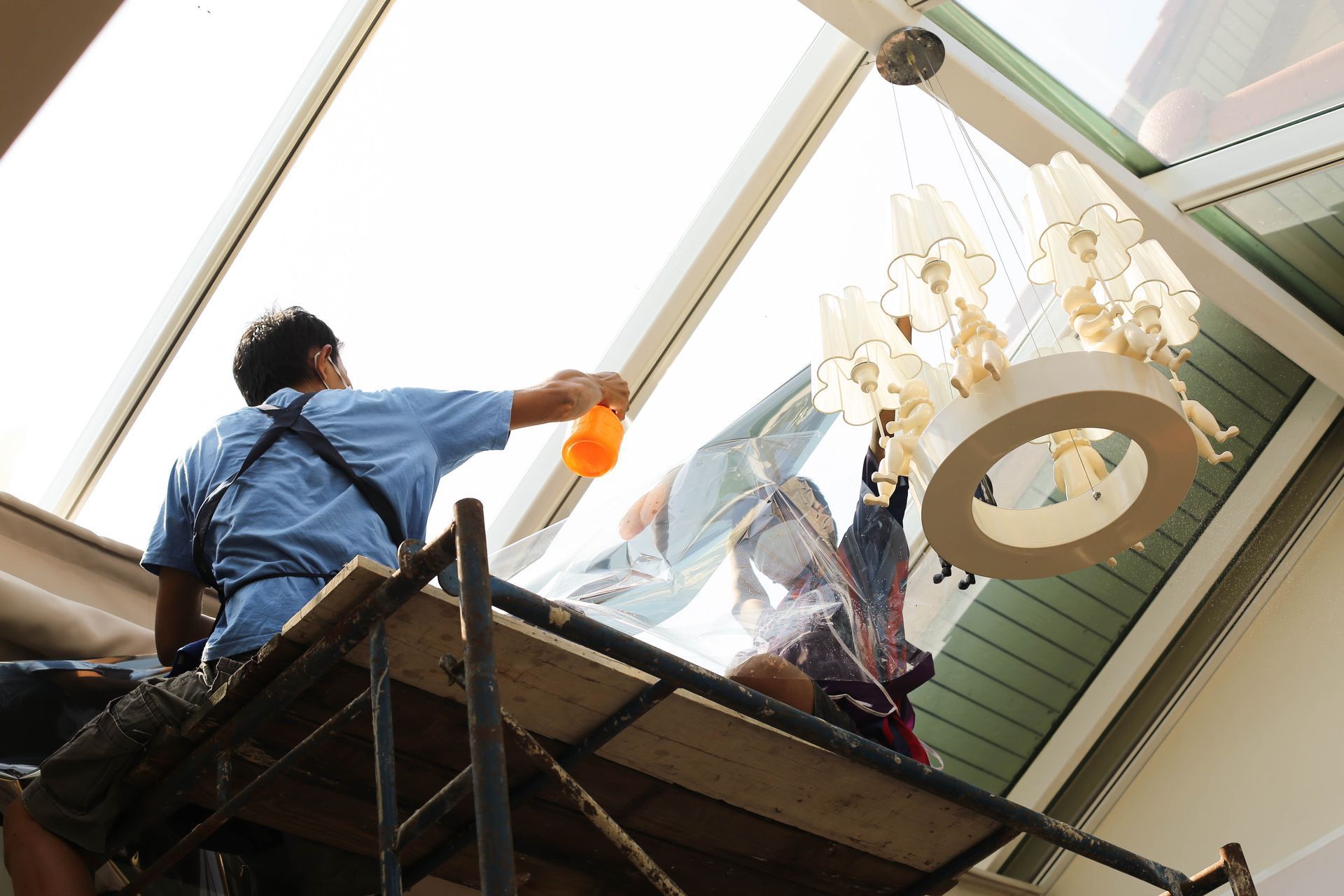
Implementation of window tinting should be orchestrated with precision to maintain business continuity. Project planning must account for occupancy schedules, safety protocols, and aesthetic considerations. Vendor partners with strong project management capabilities can coordinate site assessments, mock-ups, and phased deployments to ensure seamless execution.
Communication with occupants is also crucial. Transparent messaging about the benefits and timelines associated with window tinting reduces uncertainty and garners support. By positioning the effort as part of a broader commitment to comfort and sustainability, organizations reinforce their value proposition both internally and externally.
Measuring Impact and Continuous Improvement
Once installed, the impact of window tinting should be measured and validated. This involves tracking key performance indicators such as indoor temperature variance, HVAC run times, and energy consumption patterns. By leveraging building management systems (BMS) and sub-metering where available, facility teams can assess the efficacy of tinting in real time.
Continuous improvement is a hallmark of elite operational teams. Insights gleaned from performance data can inform future enhancements, including adjustments to HVAC scheduling, shading strategies, and occupancy comfort protocols. Window tinting becomes not a one-off project but a performance lever within an iterative optimization framework.
Elevating Brand Equity Through Sustainable Action
Beyond operational gains, window tinting supports organizational narratives around corporate responsibility and environmental leadership. Stakeholders increasingly evaluate companies based on their commitment to reducing environmental impact and improving occupant wellbeing. Integrating window tinting into a wider suite of sustainability measures amplifies messaging around climate action and resource efficiency.
When companies highlight their adoption of energy-saving solutions like window tinting in sustainability reports or external communications, they reinforce their brand equity in the eyes of customers, investors, and community partners. This underscores the strategic interplay between operational initiatives and organizational reputation.
Future-Proofing Facilities With Evolving Window Tinting Technologies
The landscape of window film technologies is continuously evolving. Innovations in spectrally selective films, smart tinting systems, and integrated control mechanisms are expanding the capabilities of traditional solutions. Facility leaders who stay abreast of these trends position their portfolios to take advantage of next-generation performance enhancements.
Smart window tinting systems, which adjust in real time based on solar conditions or occupancy patterns, represent a frontier in adaptive comfort management. These systems integrate with building automation platforms to offer dynamic responses to environmental stimuli, further enhancing efficiency without compromising comfort.
By monitoring market developments and engaging with industry thought leaders, organizations can plan for phased upgrades that align with long-term strategic goals. Window tinting thus becomes part of a broader innovation roadmap that supports agility and resilience.
Reinforcing Organizational Resilience Through Window Tinting
Resilience in the built environment extends beyond disaster preparedness; it encompasses the ability to maintain comfort and operational stability under varying conditions. Window tinting contributes to resilience by reducing dependency on mechanical systems during peak conditions and buffering occupants from extreme thermal fluctuations.
This thermal buffering effect not only enhances comfort but also reduces the likelihood of equipment overload during high-demand periods. In facilities with mixed use or extended operating hours, the benefits of a stable interior climate are amplified, reducing wear on HVAC systems and supporting uninterrupted operations.
Driving Stakeholder Value With Window Tinting Outcomes
At the leadership level, every capital decision is evaluated through the lens of stakeholder value. Window tinting delivers measurable outcomes that resonate across multiple stakeholder groups. For operational teams, reduced energy consumption translates to lower utility bills and less strain on infrastructure. For occupants, enhanced comfort fosters satisfaction and productivity. For sustainability officers, reduced solar heat gain contributes to emissions reduction targets and strengthens ESG performance metrics.
When reported effectively, these outcomes reinforce a culture of accountability and performance. Window tinting, therefore, is not merely a tactical intervention but a strategic asset in the broader enterprise value chain.
By integrating window tinting thoughtfully into facility management plans, optimizing selection criteria, and measuring outcomes rigorously, organizations position themselves to thrive in a competitive landscape. The result is a built environment that is both comfortable and cost-effective — a true differentiator in today's increasingly sustainability-driven economy. If you're looking for window tinting services, contact Hudson Valley Window Film today.